The Race Director's Challenge
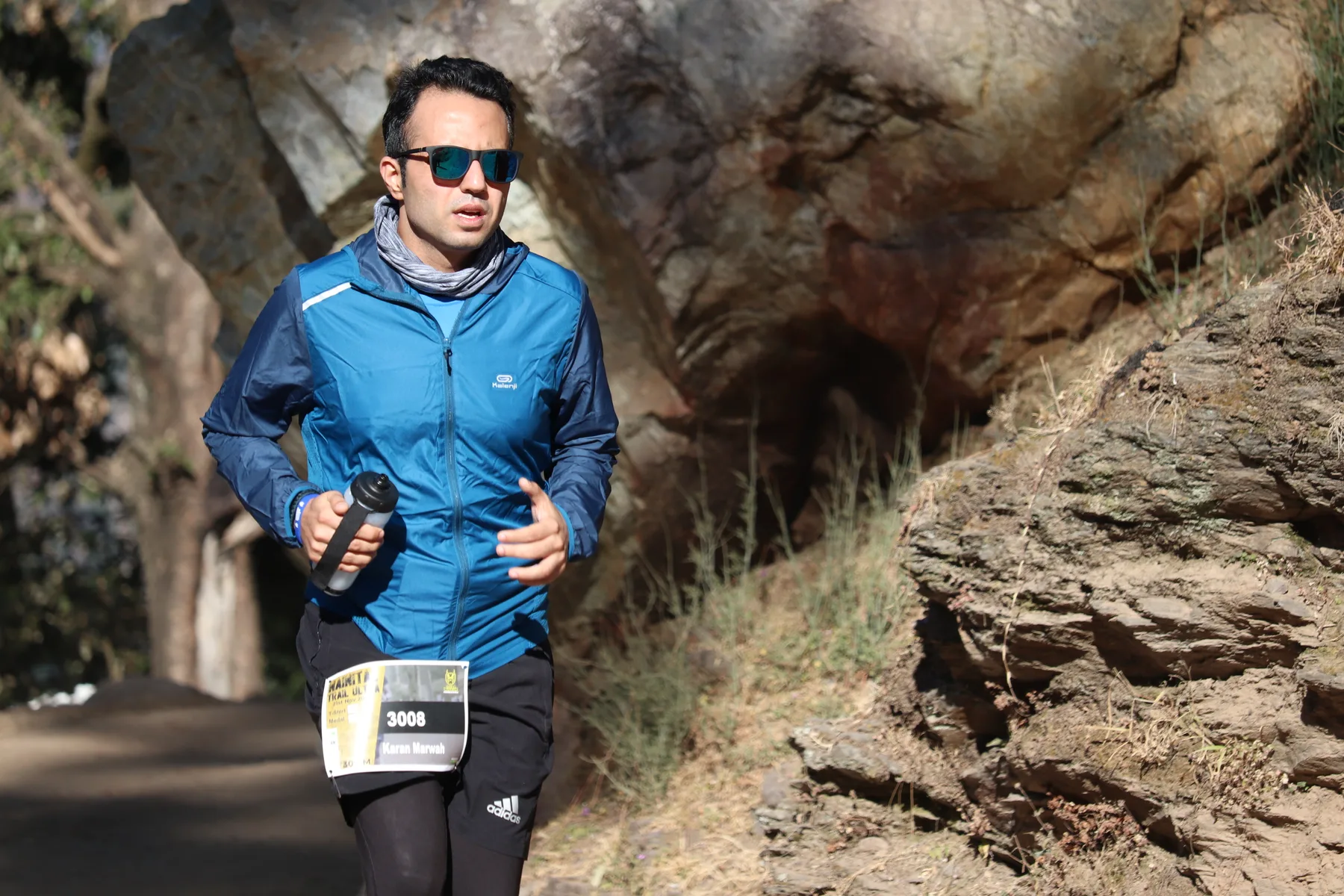
Marathon events are among the most operationally complex public events in India. Unlike a corporate conference held in a hotel ballroom, a marathon unfolds across kilometres of open city road, mountain trail, or urban park — involving police coordination, medical infrastructure, thousands of participants, and a tight start-gun timeline.
At Rungreen, our marathon event management team has managed races from 5 km city fun runs to 50 km ultra-trail events in the Himalayas. This guide captures everything we have learned about race-day operations.
Pre-Race Setup: The Night Before & D-Day Dawn
Start Village Setup (Arrives 10–12 Hours Before Gun Time)
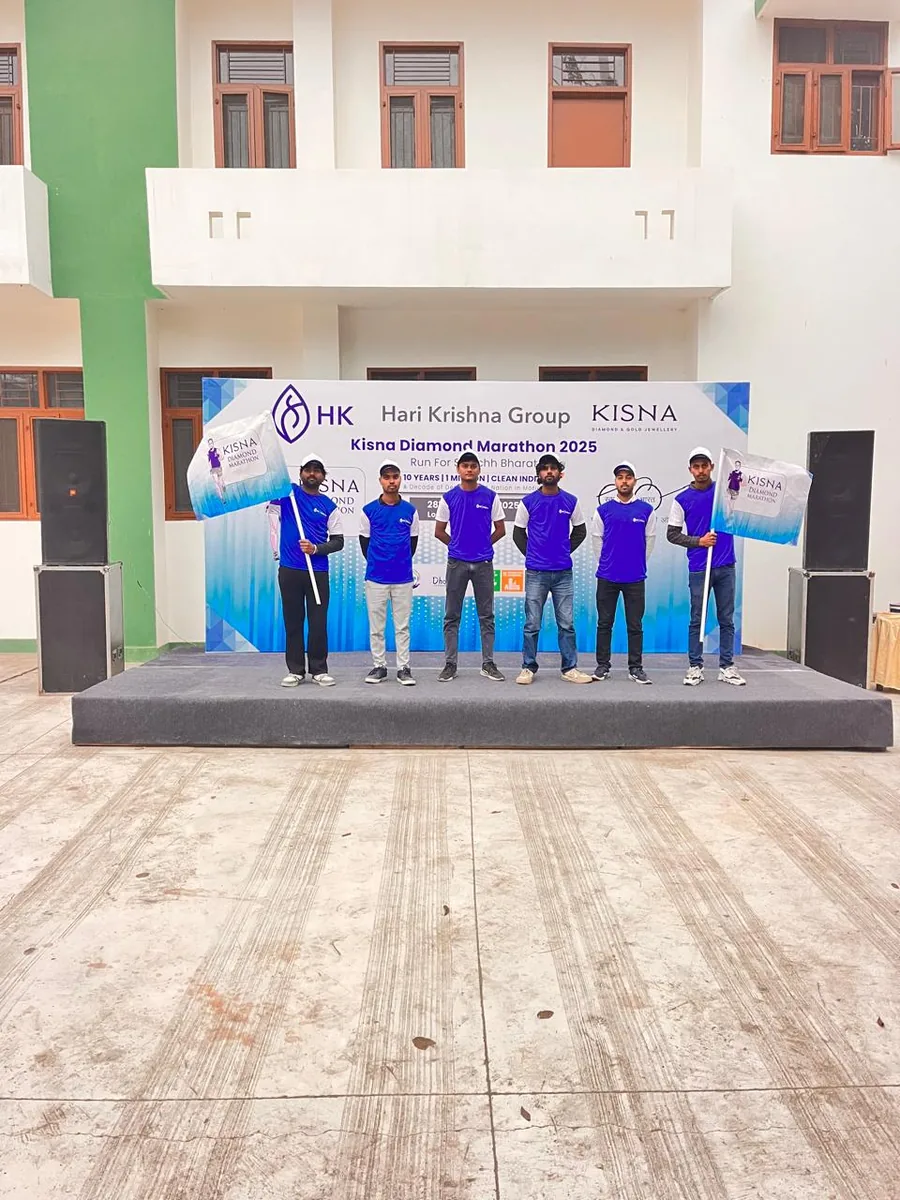
- Erect start arch, finish arch, and route marker frames
- Set up athlete registration / bib collection tent (if same-day pickup allowed)
- Position baggage storage trucks with numbered tags at start village
- Deploy portable toilets — minimum 1 per 100 runners at start area
- Test PA system, music playlist, and race announcer's microphone
- Place sponsor banners, backdrop frames, and photo opportunity boards
- Set up medical tent with AED defibrillators, first-aid kits, and paramedic team
Route Management & Road Sealing
- Coordinate with local police for route sealing at least 2 hours before gun time
- Deploy route marshals every 500 metres on the course — brief them on emergency protocols
- Place kilometre marker boards at every 1 km
- Install crowd control barricading at turns, crossings, and spectator zones
- Station traffic management volunteers at every intersection
- Identify and mark emergency vehicle entry points on the route map
- Position sweeper vehicle behind the last runner — coordinate with timing team
Hydration & Nutrition Stations
Hydration stations are non-negotiable for athlete safety. Follow these placement rules:
- 5 km route: 1–2 stations (at 2.5 km)
- 10 km route: 2 stations (at 3 km and 7 km)
- 21 km half marathon: every 2.5 km from 5 km onwards
- 42 km full marathon: every 2 km from 5 km onwards
- Ultra (50 km+): every 5 km with food and electrolyte options
- Station crew of 6–8 volunteers at each hydration point
- Use pre-filled cups arranged on tables at runner pace height
- Provide water + isotonic sports drink separately, labelled clearly
- For ultras: banana halves, energy gels, salted crackers, and hot broth at aid stations
- Place waste bins and volunteers for cup collection to keep road clear
Timing Systems & Results
- Deploy chip timing mats at start, 10 km, halfway, 30 km (for full), and finish
- Test all timing mats with bib transponders 2 hours before race start
- Have a backup manual checkpoint system at every mat location
- Set up live results display board at finish area
- Integrate results feed with race website for real-time family tracking
- Announce top finishers in each category over PA as they cross the line
- Export results CSV within 2 hours of race completion for SMS certificate delivery
Medical & Safety Operations
- Deploy trained paramedics every 5 km along route in ambulances or golf carts
- Identify nearest hospital and maintain hotline with emergency department
- Create a Heat Stress Protocol — watch for symptoms beyond 25°C (common in Indian March–October events)
- Position medical motorbikes for quick access to remote route sections
- Set up a dedicated medical tent at finish with IV drip supplies, glucose, and stretchers
- Collect medical waiver forms from all participants during registration
- Arrange body-worn radio channel exclusively for the medical team
Finish Line & Award Ceremony
- Deploy finish-line photographers on elevated platforms on both sides
- Assign 4–6 volunteers to medal draping — no gaps in medal availability
- Set up category winner boards visible from the finish chute
- Provide post-race refreshment area: bananas, energy bars, coconut water, ORS sachets
- Arrange changing rooms and bag retrieval point within 300 m of finish
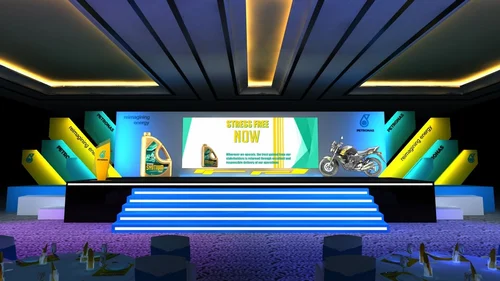
- Stage award ceremony podium with category trophies and sponsor backdrop
- Brief MC on pronunciation of winners' names in advance
- Live-stream or record the award ceremony for social media
Race-Day Communications Matrix
A race across several kilometres requires a multi-layer communication system:
- Radio network: Assigned channels for operations, medical, security, and results teams
- WhatsApp group: All location heads — for non-urgent updates and photographic evidence
- PA system: Start village and finish area announcements
- Participant app or SMS: Real-time notifications pushed to runner phones
- Race Director hotline: Single number for all emergency escalations
Post-Race Wrap-Up
- Begin course clearance and barricade retrieval as soon as sweeper vehicle passes each point
- Collect and account for all timing mats and equipment
- Dispose of all waste responsibly — assign a dedicated eco-management team
- Send participant e-certificates within 48 hours of the event
- Publish official results on the race website within 24 hours
- Share participant photos gallery link via email and WhatsApp
- Compile race director's report: finisher numbers, DNF rate, medical incidents, feedback summary
Run Your Next Marathon with Rungreen
Rungreen's marathon event management team handles all operational layers — from route design and government approvals to timing, medical, and finish-line production. We have managed 8,000+ race registrations across multiple editions.
If your event is in Uttar Pradesh or Northern India, explore our event rental services in Lucknow for barricading, sound systems, stage setup, and manpower. Get in touch for a proposal.